

Practice of Harmony
EMT
ⓒ wavefilm, EMT
- Director Kim Jaehoon
- Production EMT
- Genre Music Theater
- Date 10.9.Fri 7pm 10.10.Sat 2pm, 6pm
- Accessibility English Subtitles
- Rating 8 and over
- Venue National Theater of Korea Daloreum Theater
- Duration 90 min.
- Tickets R 60,000 won S 40,000 won
- Supported by ARTS COUNCIL KOREA, AROKO PARTNERS
How has music influenced the endless cycle of war and violence? By examining harmony—the foundation of Western music—through a contemporary lens, this performance-music-theater work explores the way we connect with one another.
Introduction
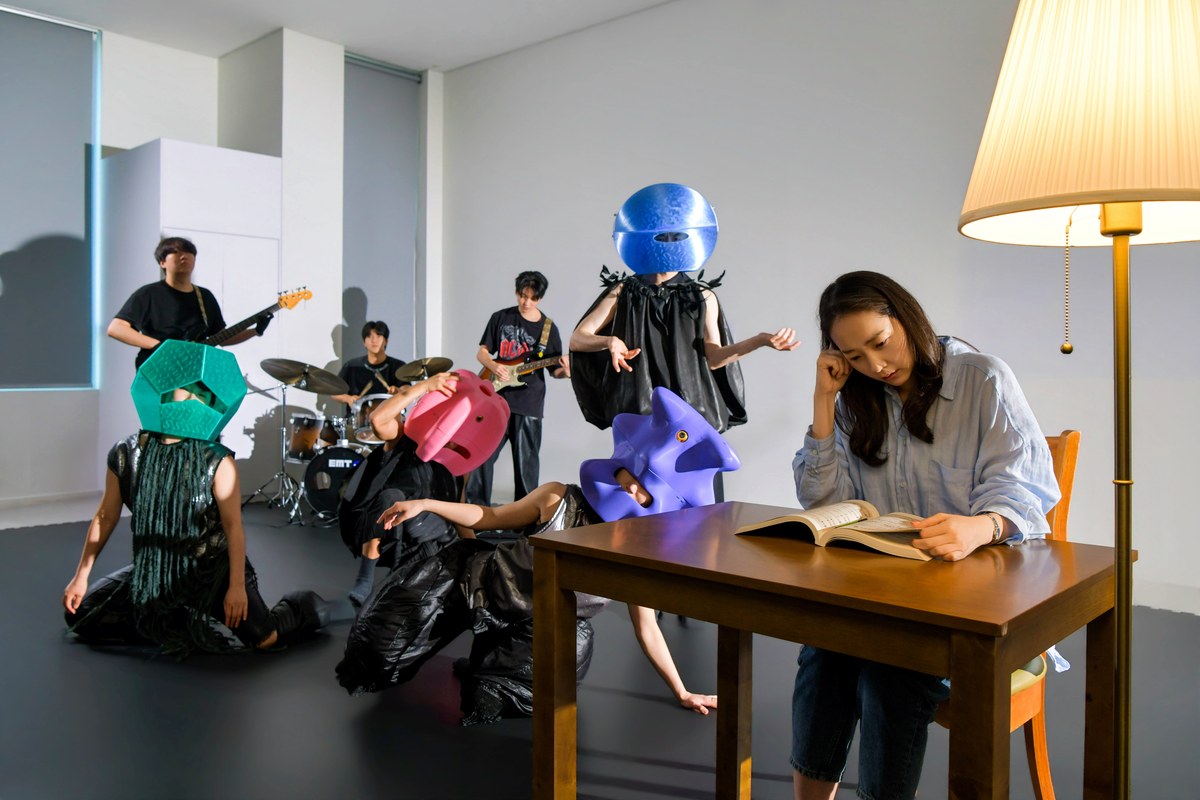
<Practice of Harmony> draws on harmony, the foundational theory of Western music, to ask what it truly means to live together in a community. It brings audiences into a multisensory exploration of harmonics, blending theater, dance, music, and media art.
Today, in an age of deepening conflict and division, Kim Jaehoon and his collaborators return to the very foundations of harmony with the question: “Can we become connected to one another, like notes of a chord that creates harmony?”
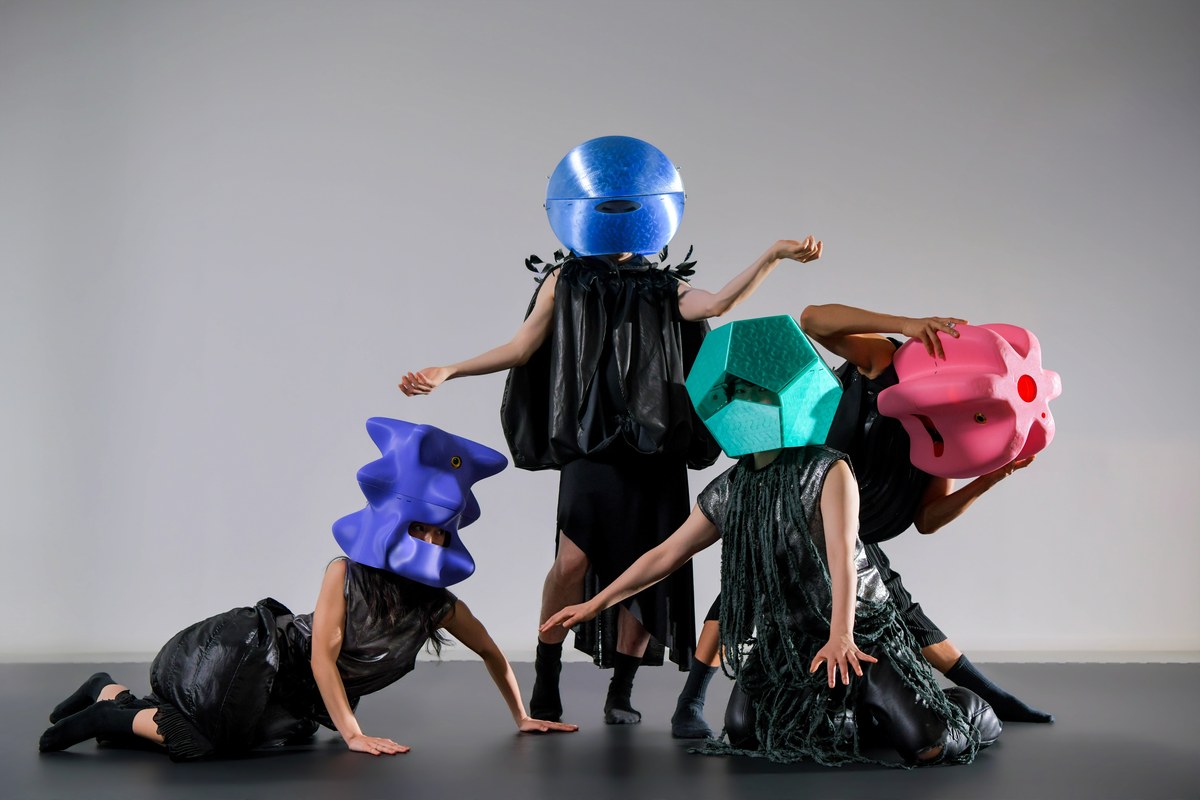
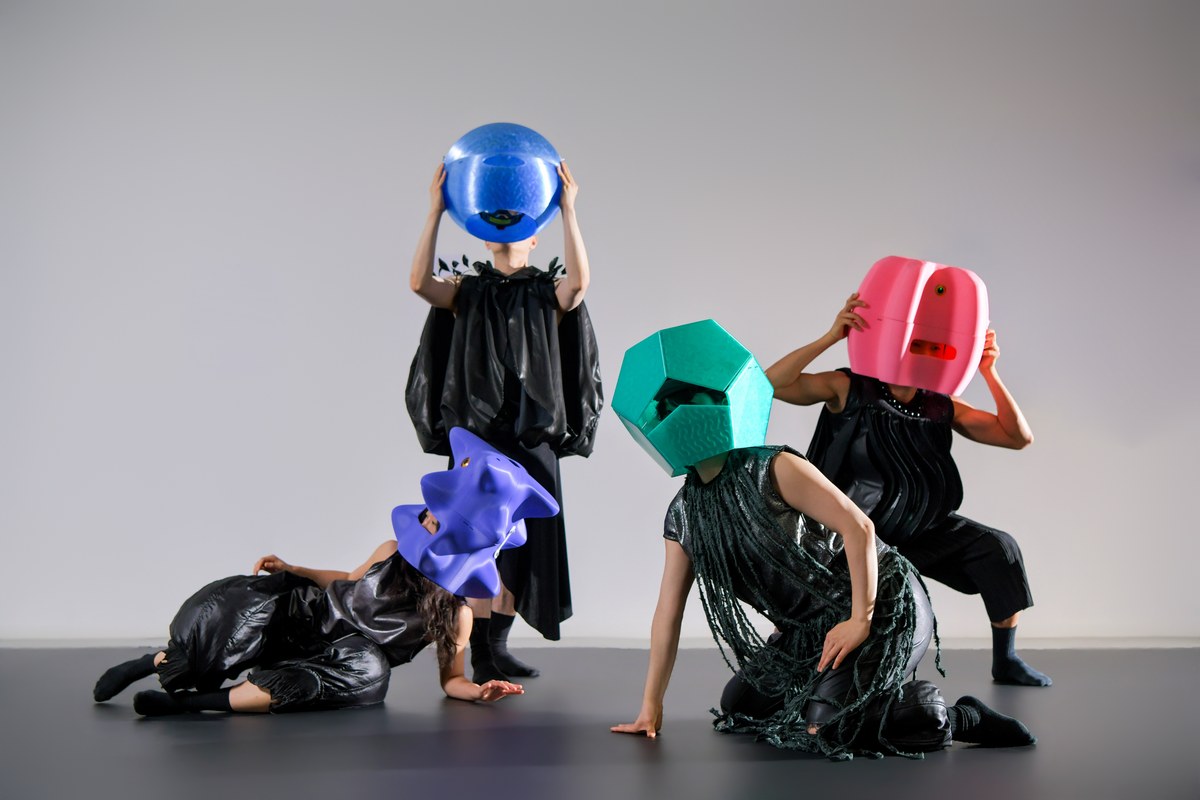
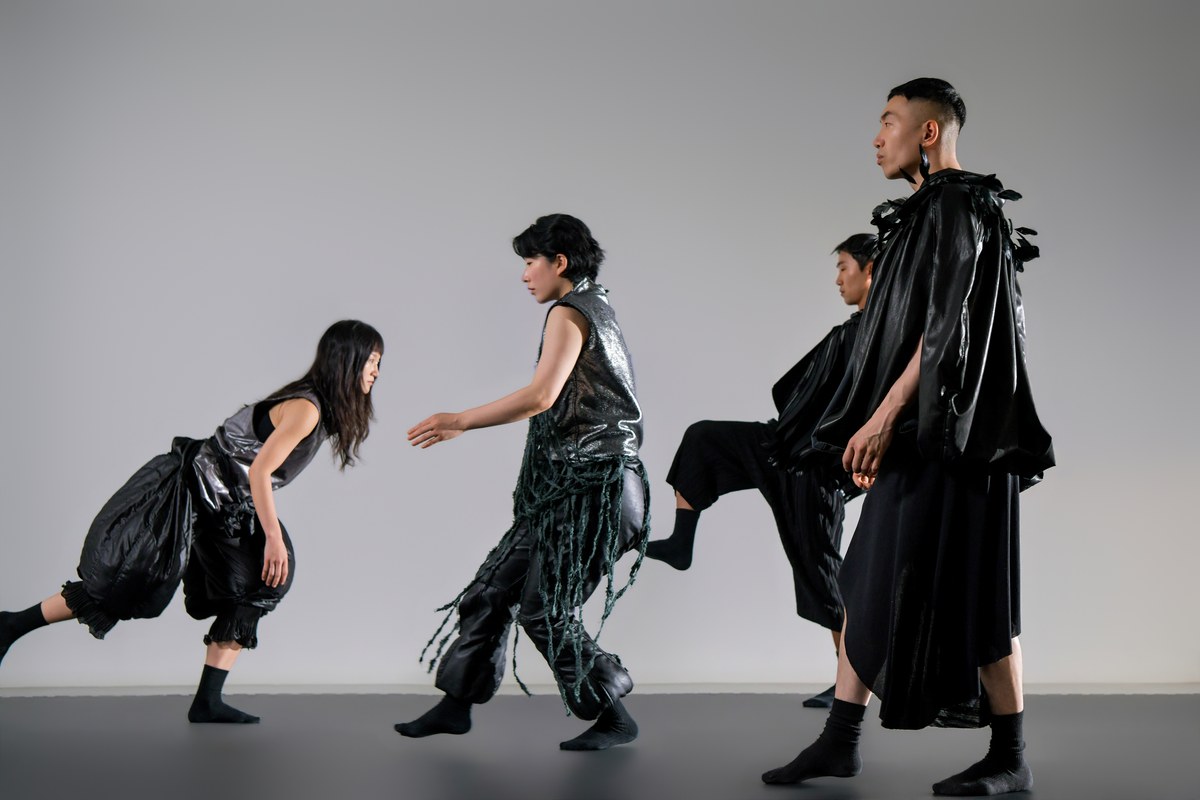
On stage, an actor learns and practices the principles of tonal harmony under the guidance of a Tutor. Alongside live musicians, the performers unpack this centuries-old music theory through movement and sound. Chords take visible form as ‘sound objects’ in an array of colors and shapes, while newly invented musical instruments, such as the Audible Treadmill and the New Elephant Cello, engage audiences’ eyes and ears at once.
Has the world built on equal temperament, the tuning system that has become the standard in musical languages across the globe, truly created harmony in a world brimming with countless different sounds? <Practice of Harmony> is a special participatory performance that invites audiences unfamiliar with harmonics to join the performers in creating harmony together.
In an age where artificial intelligence can compose a song in seconds, this instrument is designed to generate sound through the most fundamental of human acts: walking and running. The body’s movement is not a mere input value but the direct driving force that generates music.
New Elephant CelloPreviously introduced by Kim Jaehoon in his previous work <PNO>, this string instrument was built from a dismantled, discarded piano. Starting from the fact that piano keys were once made of elephant ivory, the instrument summons the cry of the elephant from the piano’s remains.
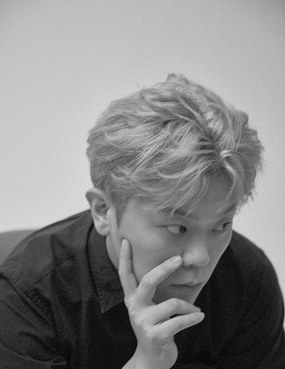
Kim Jaehoon
A musician and director, Kim Jaehoon transforms the lives and narratives of diverse contemporary subjects into minimalist music and performance language. Grounded in an experimental sensibility that weaves space and sound into layered textures, he explores the theatrical possibilities of music and traditions that are newly interpreted amid technological changes.
His major works include the performances <PNO>(2023, 2024), <PAN>(2023), <Theater1>(2023), <SWIM>(2021-); the documentaries <Gwisintong>(2022), <Stradivarius and the Future of the Performing Human>, and <Joyul>(2025); and the albums <ACCOMPANIMENT> and <S.W.I.M>. He is also the author of <Thoughts on the Piano>, and he runs the performance production company EMT.
EMT
EMT is a creative collective and production company that works across genres and forms, including performance, documentary, and exhibition, with music as the medium. It regards music not simply as something to be listened to, but as a lens for exploring social contexts and human nature. Probing the intersections of music with history, community, and technology, EMT is committed to extending its creative process into humanities-based research and sharing the results in a scholarly form.
- Director, Writer, MusicKim Jaehoon
- DramaturgChoi Yujun
- Assistant DirectorPark Hyeonji, Seo Subeen
- Choreographer & PerformerJung Soodong
- PerformerLee Youngeun, Im Sojeong, Jung Hanbyeol, Jeong Geon
- MusicianLee Chaeyeong, Bang Junsung, Kim Jubin
- NarrationNa Kyungmin
- Stage ManagerKwak Yongmin
- Scenic/Object DesignerKim Yunji
- Technical Production ManagerChoi Seheon
- Lighting DesignerKo Minju
- Video DesignerLee Hwaseung
- Sound DesignerNam Sangbong, Kim Seha
- Costume DesignerYang Junhwan
- Graphic DesignerKim Kijo
- ProducerLee Aeri
EMT is a creative collective and production company that works across genres and forms, including performance, documentary, and exhibition, with music as the medium. It regards music not simply as something to be listened to, but as a lens for exploring social contexts and human nature. Probing the intersections of music with history, community, and technology, EMT is committed to extending its creative process into humanities-based research and sharing the results in a scholarly form.
-
Music theory, expanded into the stage arts, takes society into itself, overturns social problems through music, and allows us to imagine alternative solutions from within.
— Lee Minhee, music critic -
It offers strikingly immediate and clear breakthroughs to the many questions arising from harmonics, while asking anew how harmony should be defined.
— Seong Hyein, music critic